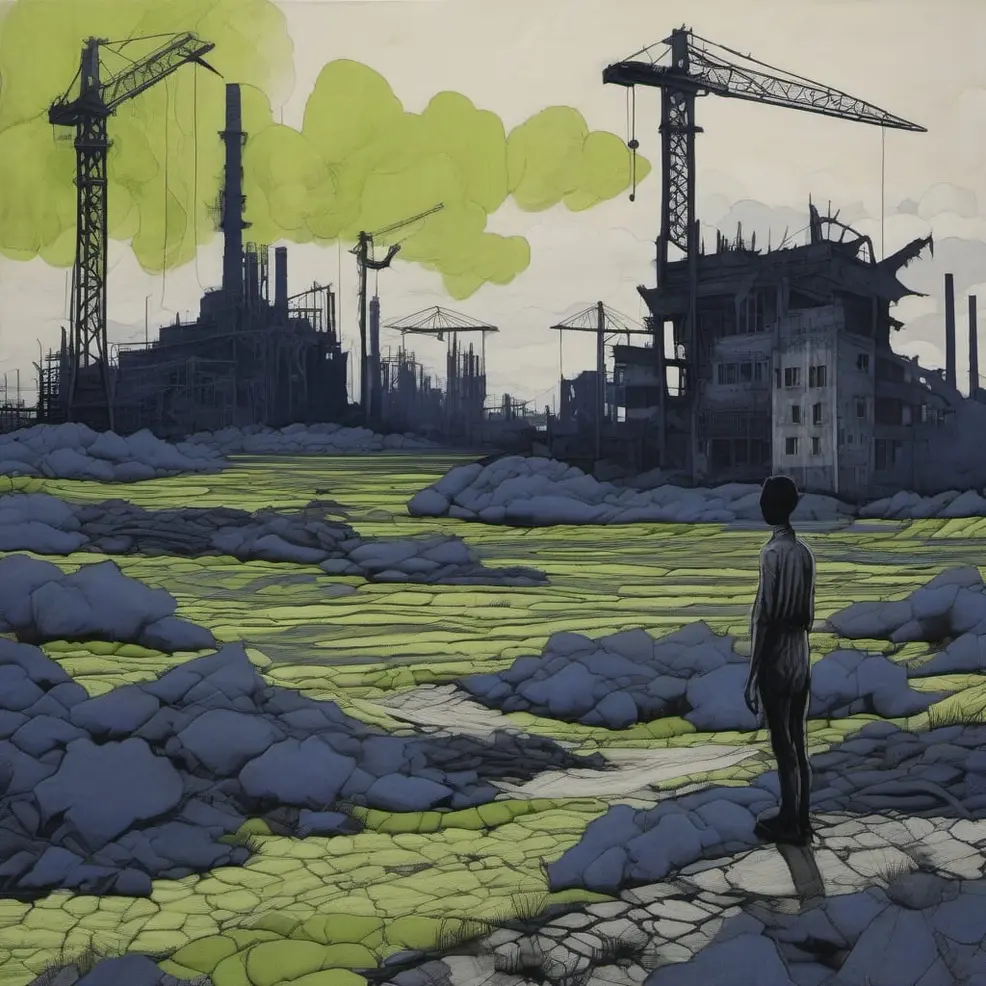
Welcome to today’s basic income and existential security news digest. Economist Nouriel Roubini has warned that U.S. unemployment could reach 80% by 2050 due to AI-driven job displacement, emphasizing the urgent need for universal basic income to address growing inequality. His analysis highlights the stark divide between those who benefit from AI advancements and those left behind in a rapidly changing labor market. These concerns are echoed in broader discussions about the role of UBI in safeguarding economic stability amid technological disruption. As AI reshapes industries, the conversation around universal income support continues to gain traction as a potential solution to emerging challenges.
Economist Nouriel Roubini predicts U.S. unemployment could reach 80% by 2050 due to AI-driven job displacement, necessitating universal basic income (UBI) to address extreme inequality. He forecasts a potential 10% annual economic growth but warns of severe wealth gaps between AI beneficiaries and low-skilled workers. Roubini advocates for both ex-post and ex-ante wealth redistribution mechanisms to mitigate the societal impact of AI-driven productivity booms.
AI and streaming are transforming the media and culture sector by altering remuneration, working conditions, and workers' rights, with significant implications for decent work. The shift to digital platforms and AI-generated content raises concerns about consent, control, and fair compensation, as income from creative work increasingly flows through multiple intermediaries. Clear contractual agreements and social dialogue are crucial to ensuring fair distribution of value and protecting workers' rights in an evolving industry.
Summaries are AI-generated and may contain errors; the linked article is the authority.
Get this news by email
Daily or as a weekly roundup in your inbox. You confirm your address first; every email has an unsubscribe link. For another topic or language, use the subscribe page.